Spray Foam Insulation in Oro Valley, AZ
Insulate and air-seal in one step with open-cell or closed-cell spray foam, installed by local contractors who know how desert heat moves through a home.
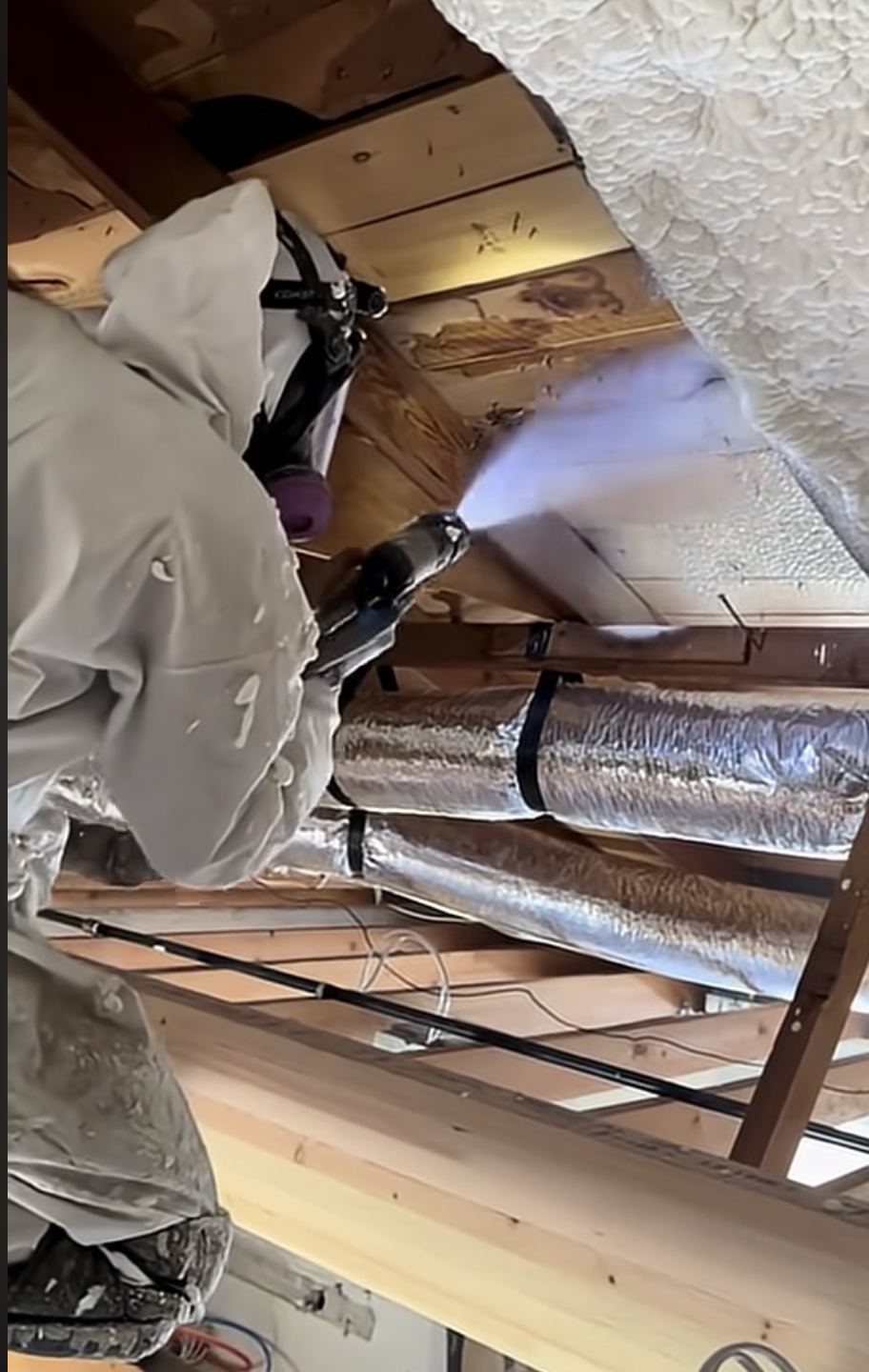
Spray foam is the one insulation that also acts as an air barrier. As it's sprayed, it expands into cracks, seams, and odd-shaped gaps, then firms up into a continuous layer. That makes it a strong choice for the places where heat sneaks into Oro Valley homes most easily: the underside of a sun-baked roof deck, the rim joists, the gaps around ductwork and plumbing, and the walls of an attached garage.
It isn't always the right answer. Spray foam costs more than blown-in or batt insulation, and on an open attic floor, blown-in material often gets you to a higher R-value for less money. A good assessment looks at both and tells you which one makes sense for your home.
Open-Cell vs. Closed-Cell Spray Foam
Both types seal air. The difference is how dense they are, how much R-value they deliver per inch, and how they handle moisture.
| Open-Cell Foam | Closed-Cell Foam | |
|---|---|---|
| Density | Light and spongy | Dense and rigid |
| R-value per inch | About R-3.5 to R-3.8 | About R-6 to R-7 |
| Moisture | Lets water vapor pass through | Acts as a vapor retarder |
| Typical uses | Roof decks, interior walls, sound control | Metal buildings, rim joists, tight cavities, exterior walls |
| Cost | Lower per square foot | Higher per square foot |
R-values vary by product, so your quote should list the specific foam and the thickness being installed.
Where Spray Foam Makes the Most Sense
- Roof decks over attic ductwork. If your air handler and ducts are in the attic, foaming the roof deck brings them inside the conditioned envelope instead of leaving them in the hottest part of the house.
- Low-slope and flat roof sections. Shallow roof cavities and flat roofs common on older Southwestern-style homes leave little room for loose fill. Closed-cell foam packs more R-value into the space available.
- Garage walls and ceilings. Spray foam seals the gaps where hot garage air finds its way into the rooms next to it.
- Additions and remodels. Open walls are the right time to get a full air seal plus insulation in one step.
- Metal buildings and shops. Closed-cell foam bonds to metal panels and helps control condensation.
Our Spray Foam Process
Assessment and Product Selection
The contractor looks at the space, checks the roof deck or framing for moisture or damage, and recommends open-cell or closed-cell foam and the thickness needed.
Prep and Masking
Anything that shouldn't get foam on it, including vents, boxes, windows, and stored items, is covered or moved. The work area is ventilated.
Spraying in Passes
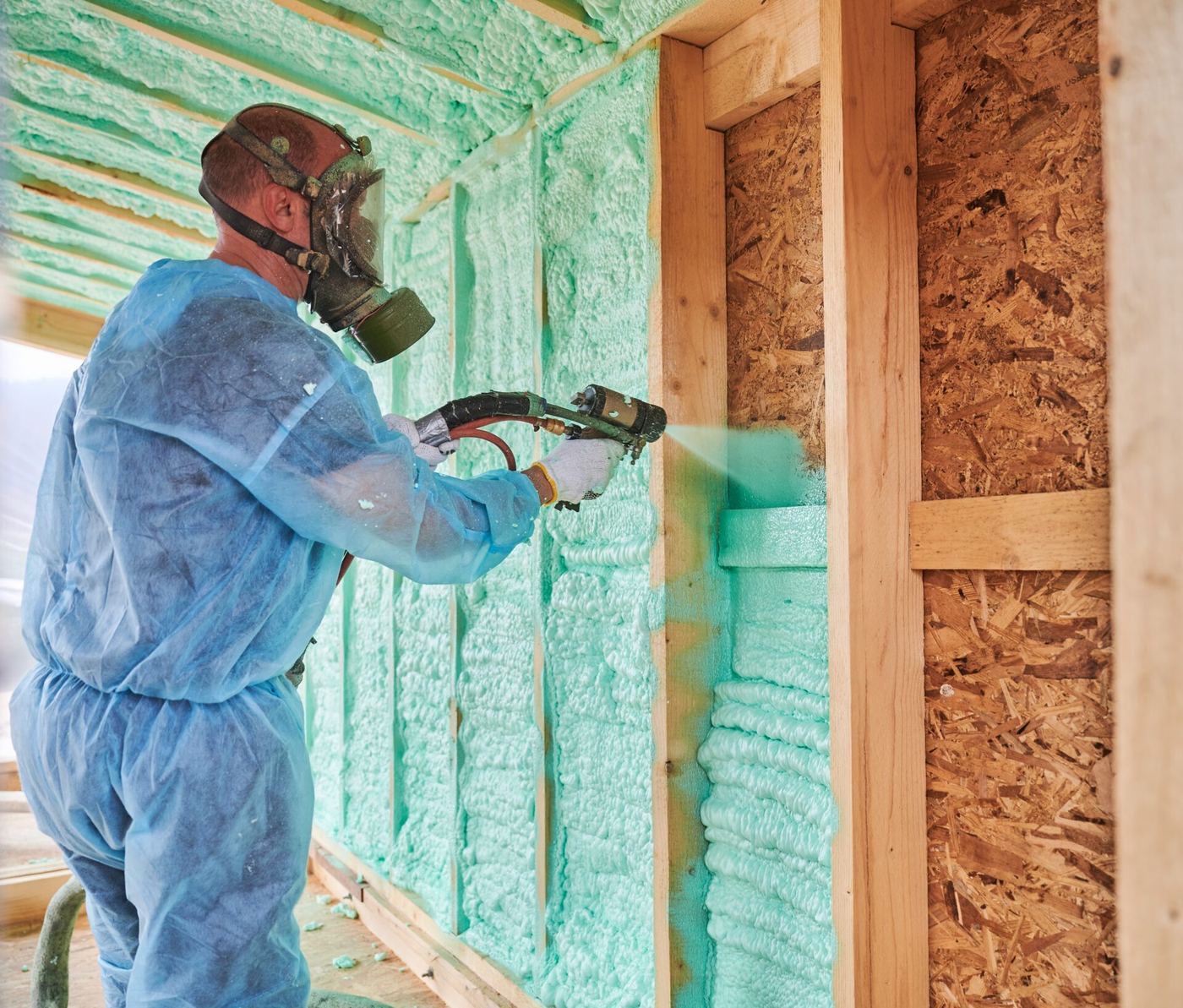
Foam goes on in controlled passes so it expands and cures properly. Thickness is checked as the crew works.
Trimming and Inspection
Excess foam is trimmed where needed and the coverage is checked for gaps, thin spots, and missed seams.
Ventilation and Cleanup
The space is ventilated through the manufacturer's cure time, trimmed foam is bagged and removed, and you're told when it's safe to return.
Benefits of Spray Foam Insulation
- Insulation and air sealing in one step. Foam stops air leaks that batts and loose fill can't, which is why it often outperforms its R-value on paper.
- Cooler ductwork. When the roof deck is foamed, ducts in the attic run in much cooler air, so less of your cooling is lost on the way to each room.
- Less dust and desert grit. Sealing gaps cuts down on outside dust drifting into the attic and living space.
- Long service life. Properly installed foam doesn't settle or sag over time the way some other materials can.
What Affects the Cost of Spray Foam?
- Square footage: the size of the roof deck, wall area, or building being sprayed
- Foam type: closed-cell costs more per square foot than open-cell
- Thickness: a higher target R-value means more foam
- Access and prep: tight attics, stored items, or old insulation that has to come out first
- Gable and vent sealing: converting a vented attic to a sealed one adds some work at the gable ends and vents
Your written quote will list each of these, so you can see where the cost comes from.
Frequently Asked Questions
Is open-cell or closed-cell spray foam better for an Oro Valley home?
For most attic roof decks in our dry climate, open-cell foam is the common choice. It's less expensive per square foot, it seals air very well, and it lets a roof leak show through rather than hiding it. Closed-cell foam is denser and offers more R-value per inch, which makes it a better fit for tight spaces, metal buildings, rim joists, and anywhere you need a vapor retarder or added rigidity.
How long does spray foam take to install?
Most residential spray foam jobs take one to two days, depending on the area being sprayed and how much prep the space needs. The foam itself expands and firms up within minutes, and the crew trims and checks thickness as they go.
Do I need to leave the house while spray foam is installed?
Spray foam gives off fumes while it's being applied and curing. Manufacturers typically recommend that occupants stay out of the home for a set period, often around 24 hours, while the space is ventilated. Your contractor will tell you the re-entry time for the specific product being used before the job is scheduled.
Will spray foam on my roof deck make the attic part of the conditioned space?
Yes. Spraying the underside of the roof deck and sealing the gable ends creates an unvented, or conditioned, attic. That's a big deal in homes where the ductwork and air handler sit in the attic, because they're no longer baking in extreme heat. It's also a bigger project than adding insulation to the attic floor, so it's worth talking through both options.
Can spray foam be added to walls in an existing home?
Standard open-cell and closed-cell foam need open framing, so they're used in walls during remodels, additions, or new construction. For closed walls in an existing home, dense-pack blown-in insulation or injection foam is usually the better route.
Does spray foam hide roof leaks?
Closed-cell foam can, because water can't pass through it easily. Open-cell foam is more forgiving because a leak will usually show as a damp or discolored spot. Either way, any known roof problems should be repaired before foam goes on the roof deck.
Wondering if spray foam is worth it for your home? An on-site assessment compares spray foam with other options for your attic or walls, with a written quote for each.