Garage Door Insulation in Oro Valley, AZ
Garage door, wall, and ceiling insulation that keeps your garage usable and stops it from heating the rooms beside and above it.
On a summer afternoon in Oro Valley, an uninsulated garage can get far hotter than it is outside. A bare metal door bakes in the sun, the walls and ceiling soak up heat all day, and most of that heat keeps radiating well into the evening. If the garage is attached to your home, a lot of that heat ends up in the rooms that share a wall with it or sit on top of it.
Insulating the garage door, walls, and ceiling slows that heat transfer, protects the rooms next door, and turns the garage into a space you can actually work, exercise, or store things in without everything cooking.
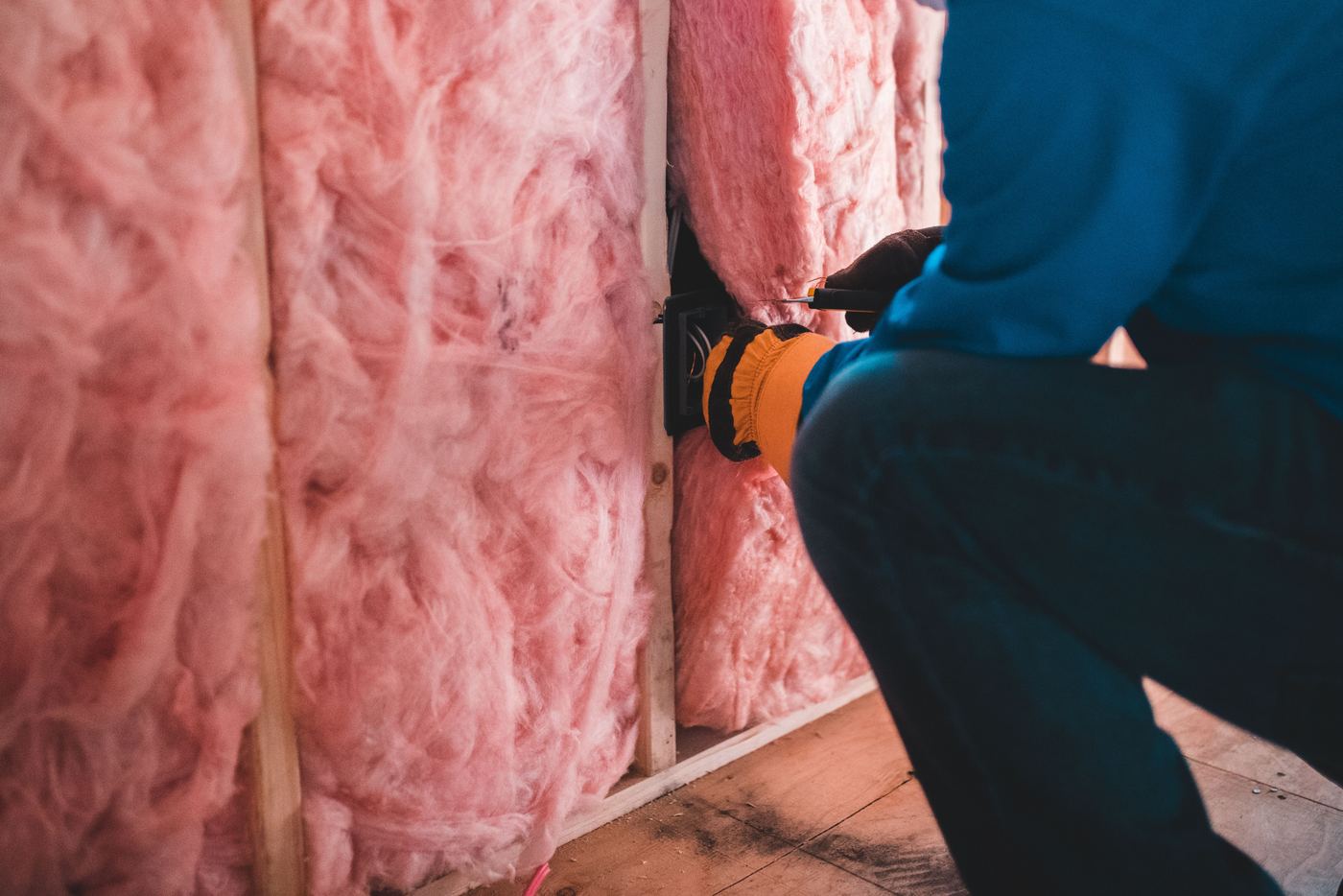
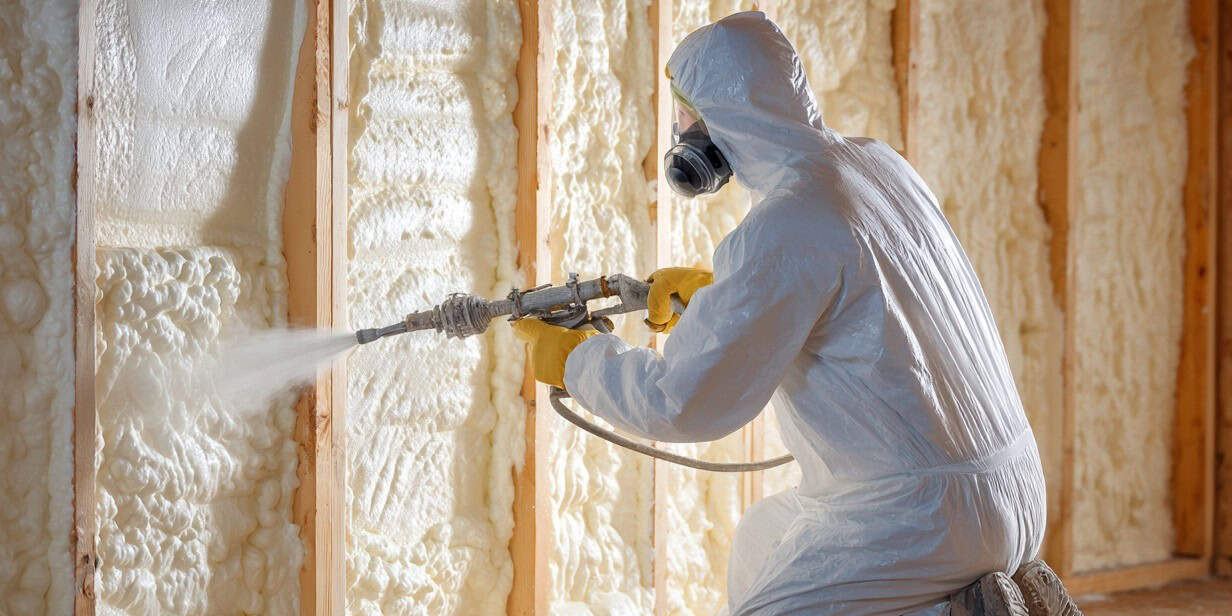
What Gets Insulated in a Garage
- Shared walls. The walls between the garage and your living space are the top priority for comfort inside the house.
- Ceiling under living space. Bonus rooms and bedrooms over the garage are some of the hottest rooms in many homes.
- The garage door. Insulation panels fitted into a metal door greatly reduce how much heat it passes into the garage.
- Exterior walls and remaining ceiling. Finishing the rest of the envelope keeps the whole garage more stable.
- Attic above the garage. If the garage has its own attic space, it can be insulated much like the main attic.
Garage Door Insulation
Garage door insulation is one of the most popular projects for homes in Oro Valley, and it's quick. Rigid foam or reflective insulation panels are cut to fit each section of the door and secured in place. The door still opens and closes normally; your contractor checks the springs and balance so the small amount of added weight doesn't cause problems. Pair it with fresh weatherstripping along the bottom and sides to keep out dust and hot air.
Our Garage Insulation Process
Garage Assessment
The contractor looks at the door, the walls, the ceiling, and any rooms above or beside the garage, then recommends where insulation will make the biggest difference.
Choosing Materials
Batts, spray foam, blown-in, or door panels, depending on whether walls are open, the budget, and how the garage is used.
Prep
The work area is cleared and protected. Gaps around outlets, pipes, and the shared wall are sealed.
Installation and Walkthrough
Insulation is installed, the door is checked for smooth operation, and the finished work is reviewed with you.
Benefits of Garage Insulation
- Cooler rooms next to the garage. Less heat moving through shared walls and ceilings.
- A usable garage. For a workshop, home gym, laundry, or a place to park without stepping into an oven.
- Protection for stored items. Paint, electronics, and other heat-sensitive belongings fare better.
- Quieter. An insulated door and walls dampen street noise and the sound of the door itself.
What Affects the Cost of Garage Insulation?
- Scope: door only, walls only, or the full garage
- Material: batts, spray foam, blown-in, and door panels are priced differently
- Wall condition: open framing is faster than insulating behind existing drywall
- Garage size: one, two, or three-car garages, and ceiling height
- Door type and size: the number of panels and the door's condition
Frequently Asked Questions
Is it worth insulating a garage in Oro Valley?
For an attached garage, it usually is. Garages here get extremely hot in summer, and that heat moves into any rooms that share a wall or sit above the garage. Insulating the shared walls, the ceiling, and the door cuts that heat transfer and makes the garage itself far more usable.
What's the most important part of the garage to insulate?
Start with whatever separates the garage from your living space: the shared walls and the ceiling under any rooms above. The garage door is next, since a bare metal door absorbs and radiates a lot of heat. Exterior walls and the rest of the ceiling come after that.
Can you insulate my existing garage door?
Yes. Insulation panels can be cut and fitted into the sections of most metal garage doors. It's a modest project that makes a noticeable difference. Your contractor will check that the door's springs can handle the small amount of added weight.
Will insulating the garage keep it cool without air conditioning?
Insulation slows heat gain, but it doesn't cool the space by itself. An insulated garage will stay noticeably cooler than an uninsulated one, and if you add a mini-split or other cooling later, it will work far more efficiently.
What insulation is best for garage walls?
Open garage walls are usually insulated with batts or spray foam. Batts are the more affordable option; spray foam adds an air seal, which helps in garages that share walls with living space. If the walls are already covered in drywall, dense-pack blown-in insulation is an option.
Can you insulate a detached garage or shop?
Yes. Detached garages, workshops, and metal storage buildings are insulated regularly. Closed-cell spray foam is often recommended for metal buildings because it bonds to the panels and helps control condensation.
Is your garage heating up the rest of the house? Get a free estimate for door, wall, and ceiling insulation.