Blown-In Insulation in Oro Valley, AZ
Loose-fill fiberglass and cellulose for attics, plus dense-pack installs for closed walls. One of the most cost-effective ways to add R-value.
Blown-in insulation, also called loose-fill, is made of small pieces of fiberglass or cellulose blown through a hose into an attic or wall. Because it flows into place instead of being cut to fit, it fills around wiring, plumbing, framing, and the uneven corners that batts tend to leave open. For an open attic floor, it's usually the most cost-effective way to add a lot of R-value.
It's also the go-to option for topping up an attic that already has some insulation. As long as what's there is dry and clean, new material can be blown right over it to bring the attic up to depth.
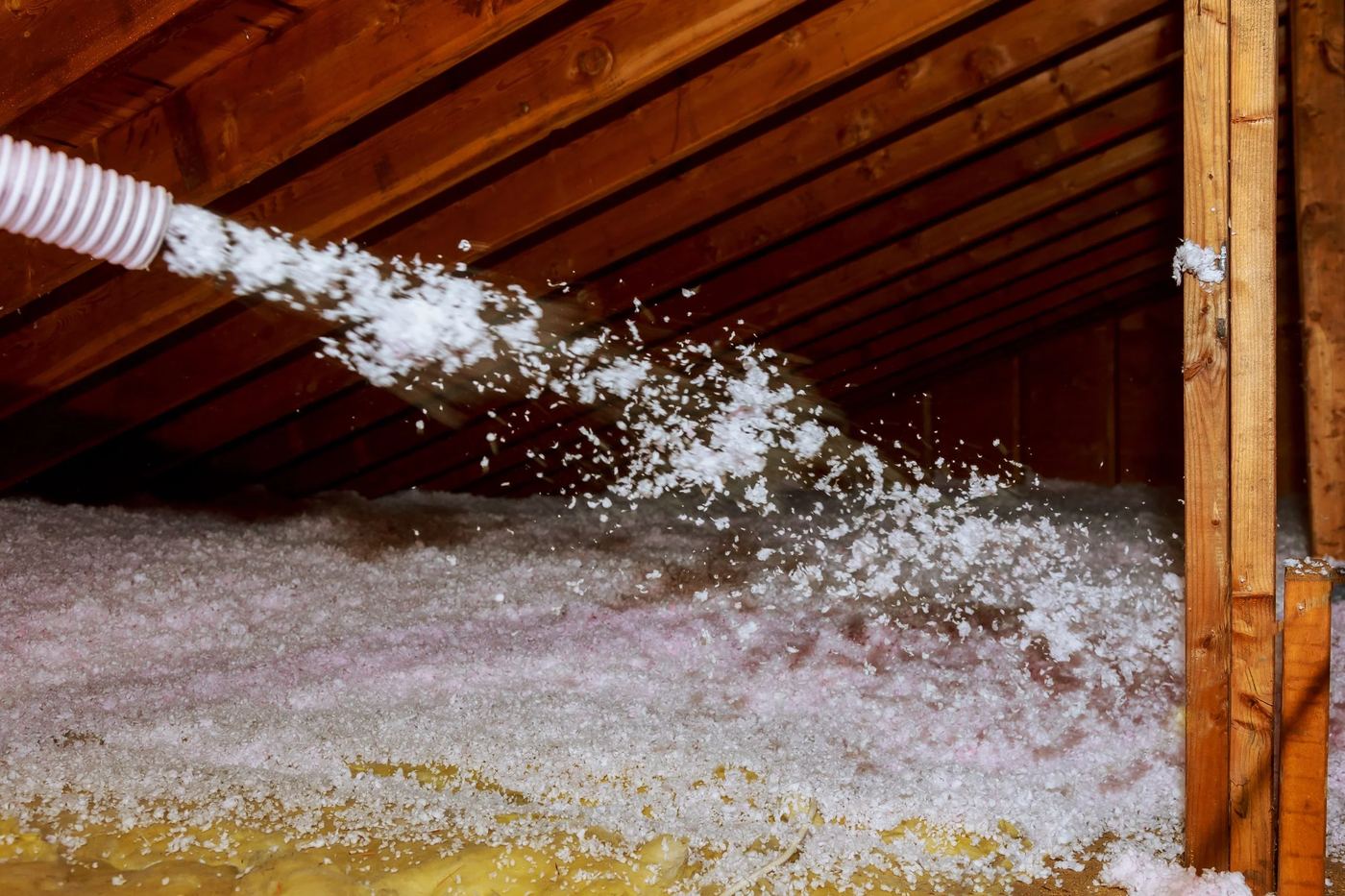
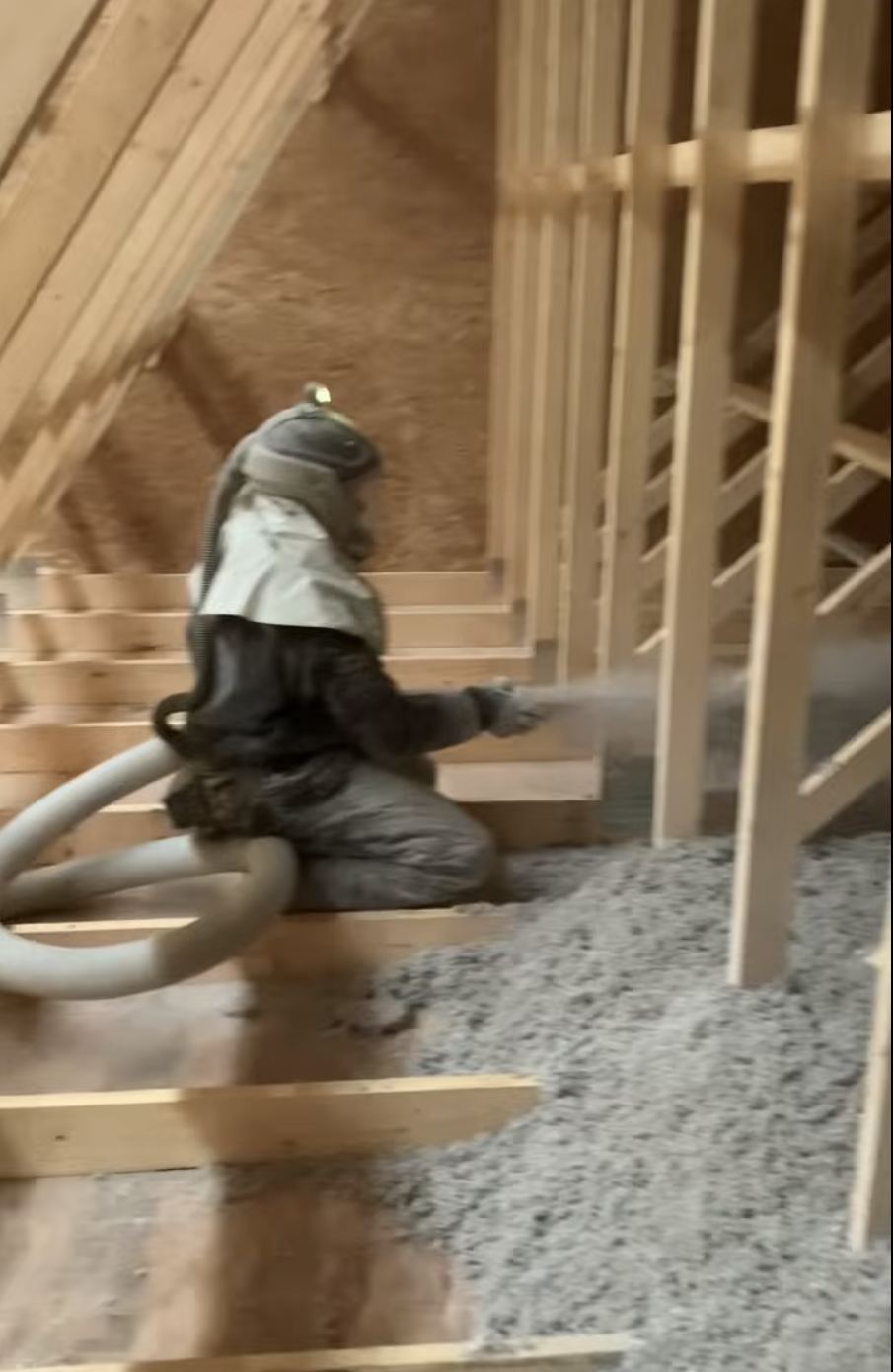
Loose-Fill vs. Dense-Pack
| Loose-Fill | Dense-Pack | |
|---|---|---|
| Where it goes | Open attic floors | Closed wall cavities, enclosed floors and ceilings |
| How it's installed | Blown across the attic to an even depth | Blown tightly into each cavity through small holes |
| Main benefit | Lots of R-value for the money | Insulates existing walls without demolition |
| Typical materials | Fiberglass or cellulose | Cellulose or fiberglass |
Fiberglass vs. Cellulose
Loose-fill fiberglass is light, doesn't absorb moisture, and doesn't settle much. It's a common pick for attics with a lot of ground to cover.
Cellulose is made mostly from recycled paper treated with fire retardants. It's denser, so it slows air movement better than loose fiberglass, which helps in leaky attics. It does settle more, and installers account for that by putting in a little extra.
Our Blown-In Insulation Process
Space Assessment
The contractor measures the existing depth, checks for moisture, pest damage, and air leaks, and confirms the attic has proper ventilation.
Air Sealing and Baffles
Key gaps are sealed, and baffles go in at the eaves so the insulation doesn't block the soffit vents.
Depth Markers
Rulers are fastened to the joists at several points so the finished depth can be checked from the hatch.
Blowing and Distribution
The material is blown evenly across the attic, working from the far corners back toward the hatch.
Final Check and Cleanup
Depth is checked against the target, the hatch is insulated and weatherstripped, and the area is cleaned.
Benefits of Blown-In Insulation
- Strong value per R-value. For open attic floors, few options deliver as much R-value for the cost.
- Fills irregular spaces. It settles around wires, pipes, and framing that batts leave gaps around.
- Quick install. Most attics are done in a few hours with minimal disruption.
- Works over existing insulation. Clean, dry insulation can usually stay put and be topped up.
What Affects the Cost of Blown-In Insulation?
- Attic size: more square footage means more material
- Target depth: going from R19 to R49 takes far more material than going from R30 to R49
- Material: fiberglass and cellulose are priced differently
- Prep work: removal, air sealing, and baffles add to the scope
- Dense-pack walls: drilling, filling, and patching each cavity is more labor than an open attic
Frequently Asked Questions
Fiberglass or cellulose: which blown-in insulation is better?
Both work well. Loose-fill fiberglass is lightweight, doesn't absorb moisture, and won't settle much over time. Cellulose is made largely from recycled paper treated for fire resistance; it's denser, which helps it block air movement, but it settles more and is heavier on the ceiling. Your contractor can recommend one based on your attic.
How deep should blown-in insulation be?
It depends on the material and the R-value you're aiming for. To reach R49, the level ENERGY STAR recommends for an uninsulated attic in our climate zone, blown-in insulation is typically well over a foot deep. Depth markers are installed so you can see that the full depth was reached.
Can blown-in insulation go into existing walls?
Yes. Dense-pack cellulose or fiberglass can be blown into closed wall cavities through small holes that are patched afterward. It's one of the few ways to insulate walls in an existing home without opening them up.
Is blown-in insulation messy?
The material is blown through a hose from a machine outside, so very little of it comes through your house. Crews cover the area around the attic hatch and clean up at the end.
Does blown-in insulation settle?
Some settling is normal, especially with cellulose. That's accounted for in how much material is installed, so the insulation still meets the target R-value after it settles.
How long does a blown-in job take?
Most attic jobs are done in a few hours. Dense-pack wall jobs take longer because each cavity is filled and patched individually.
Ready to bring your attic up to depth? Get a free estimate with a target R-value and a clear written quote.