Attic Insulation in Oro Valley, AZ
Hot upstairs rooms and climbing summer bills usually start in the attic. Get it measured, sealed, and insulated to a modern R-value.
The attic is the single biggest source of unwanted heat in most Oro Valley homes. Tile and asphalt roofs soak up sun all afternoon, and the attic underneath can get far hotter than the outdoor air. Whatever heat makes it through the ceiling ends up in your living room, and in many homes the ductwork that carries your cooled air runs right through that hot attic on the way to each room.
Upgrading attic insulation usually means three things: checking what's there now, sealing the gaps that let attic air leak into the house, and building the insulation up to a modern R-value. Done well, it's one of the most effective energy upgrades a home can get.
Signs Your Attic Is Under-Insulated
- Hot rooms on the top floor or under the roof. Bedrooms and bonus rooms that never quite cool down are the classic sign.
- Rising summer bills. If your electric bill keeps climbing with no change in your habits, heat gain through the ceiling is a common cause.
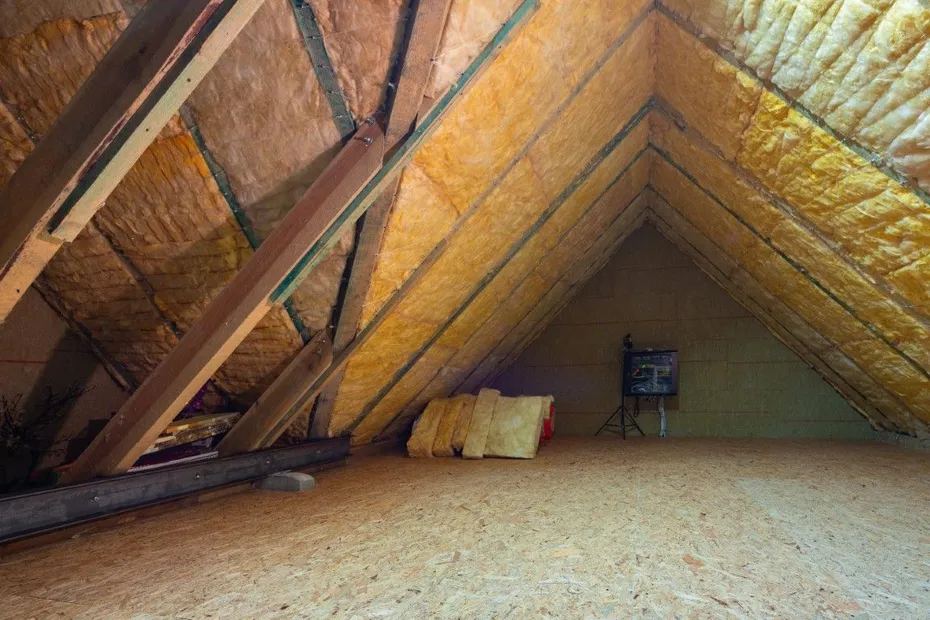
- Visible joists. If the insulation sits level with or below the top of the ceiling joists, there's not enough of it.
- Uneven or patchy coverage. Bare spots near the eaves, around the hatch, or where another trade worked in the attic are very common.
- Old, flattened, or stained material. Insulation that's compressed, discolored, or has signs of pests isn't doing its job.
Attic Insulation Options
Most Oro Valley attics are insulated with one of three approaches, and sometimes a combination of them:
| Option | Best For | Notes |
|---|---|---|
| Blown-in fiberglass or cellulose | Open attic floors, topping up existing insulation | Usually the most cost-effective way to add R-value; fills around wiring and framing |
| Batt insulation | Attics with clear, standard joist spacing and easy access | Must be cut and fitted carefully; gaps and compression reduce performance |
| Spray foam on the roof deck | Attics with ductwork or an air handler, low-slope roofs | Creates a sealed attic; costs more but brings ducts inside the conditioned space |
Read more about each option on our blown-in insulation, batt insulation, and spray foam insulation pages.
Our Attic Insulation Process
Attic Inspection
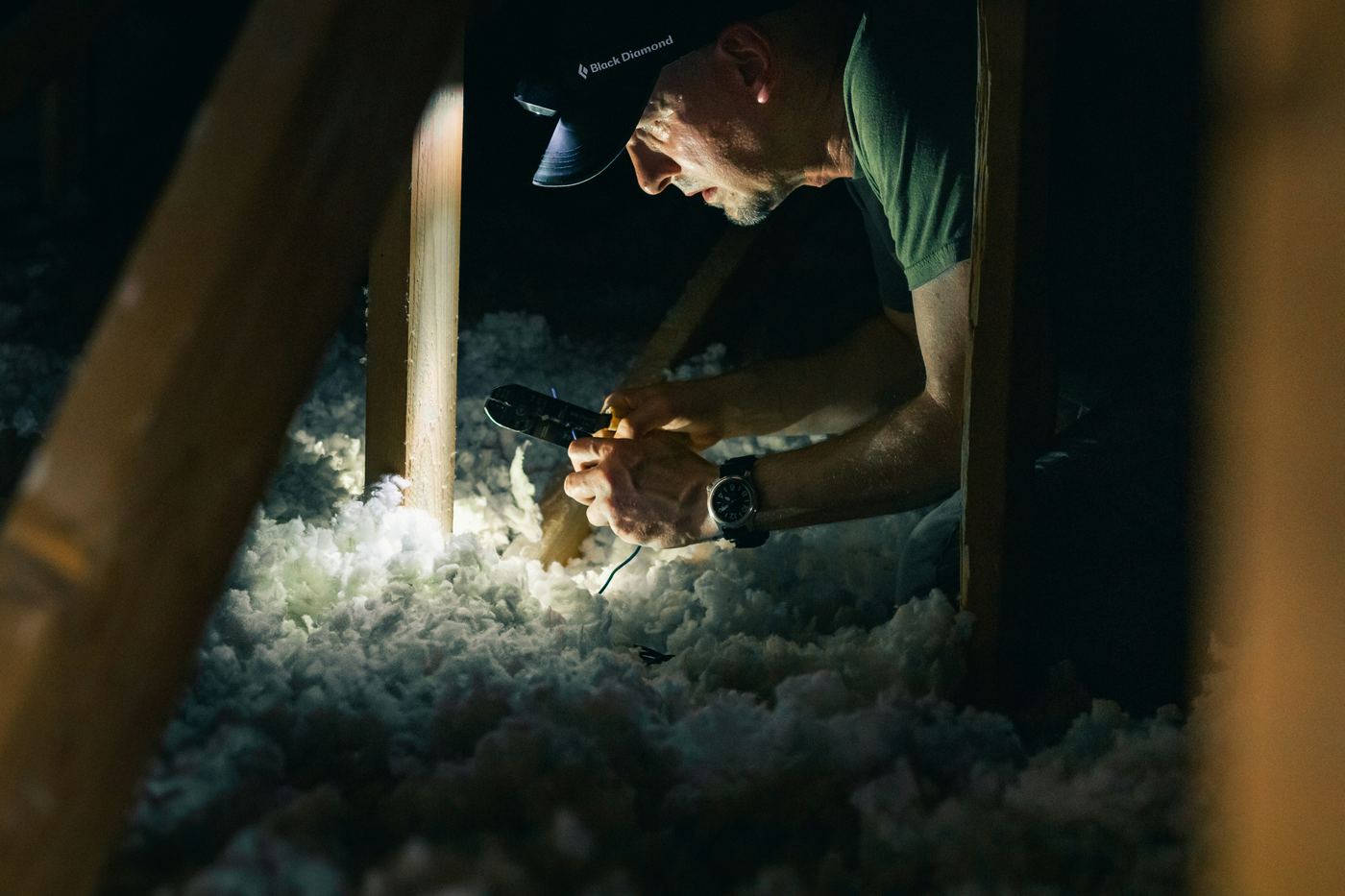
The contractor measures the existing insulation depth, identifies the type, and checks for air leaks, moisture, pest activity, and ventilation problems.
Recommendation
Based on what's there, you'll get a recommendation to top up, remove and replace, or switch approaches, with a target R-value and a written quote.
Removal, If Needed
Damaged or contaminated insulation is vacuumed out and bagged for disposal before anything new goes in.
Air Sealing and Prep
Gaps around top plates, wiring, plumbing, recessed lights, and the hatch are sealed. Baffles go in at the eaves to keep soffit vents clear.
Installation and Walkthrough
Insulation is installed to an even depth all the way to the eaves, depth markers are set, and the coverage is reviewed with you.
Benefits of Upgrading Your Attic Insulation
- Lower cooling costs. Less heat through the ceiling means your AC runs less from late spring through early fall.
- More even temperatures. Upstairs and downstairs, front rooms and back rooms, all stay closer to the thermostat setting.
- Less wear on your HVAC system. A system that isn't fighting constant heat gain cycles less and works under less stress.
- Better winter comfort. The same insulation slows heat loss on cold desert nights.
For more background, the U.S. Department of Energy has a helpful overview of how insulation works and where it goes in a home.
What Affects the Cost of Attic Insulation?
- Attic size: larger attics need more material and labor
- Existing insulation: whether it can stay or needs to be removed first
- Target R-value: deeper insulation means more material
- Material: blown-in, batt, and spray foam come at different price points
- Access: low clearance, steep roofs, or a hard-to-reach hatch add labor time
- Air sealing and ventilation work: baffles, hatch insulation, and sealing are usually listed separately
Frequently Asked Questions
How do I know if my attic needs more insulation?
Common signs include rooms under the attic that stay warmer than the rest of the house, a summer electric bill that keeps climbing, insulation that sits level with or below the top of the ceiling joists, and visible bare spots or gaps. If you can see the joists, you almost certainly need more.
What R-value should my attic have?
Oro Valley is in IECC climate zone 2B. ENERGY STAR recommends R49 for an uninsulated attic in that zone, and adding about R38 to an attic that already has three to four inches. Your assessment will measure the existing depth so the target fits your home.
Can new insulation go on top of the old insulation?
Often, yes. If the existing insulation is dry, clean, and not contaminated, new material can be added on top. If it's been soaked by a roof leak, flattened, moldy, or contaminated by rodents, it should be removed first.
How long does attic insulation take?
Most attic top-ups take a few hours to a day. A full removal and reinstall typically takes one to two days, depending on the size of the attic and how much material is coming out.
Is attic air sealing worth it?
In most homes, yes. Gaps around recessed lights, plumbing vents, wiring holes, and the attic hatch let hot attic air leak straight into the living space. Sealing those before insulating helps the new insulation perform the way it should.
What about my attic ventilation?
Insulation and ventilation work together. Baffles at the eaves keep insulation from blocking airflow from the soffit vents, and the assessment should check whether your attic has enough intake and exhaust ventilation for the insulation being added.
Does attic insulation help in winter in Oro Valley?
Yes. Winter nights here often fall into the 30s, and the same attic insulation that keeps summer heat out also keeps your furnace or heat pump from losing warmth through the ceiling.
Find out what's really in your attic. A free assessment measures your current insulation and tells you plainly whether an upgrade is worth it.