Batt Insulation in Oro Valley, AZ
Fiberglass and mineral wool batts, cut and fitted properly for additions, remodels, garage walls, new construction, and floors.
Batt insulation comes in pre-cut panels sized to fit between standard wall studs, ceiling joists, and floor joists. It's the insulation most people picture, and for good reason: it's affordable, it performs well, and it's easy to inspect. In Oro Valley, batts are a common choice for room additions, remodels, garage walls, new construction, and floors over unconditioned space.
The material matters, but the installation matters more. A batt that's compressed behind wiring, cut short, or left with gaps at the edges can lose a meaningful share of its rated performance. Careful fitting around outlets, pipes, and framing is what separates good batt work from the rest.
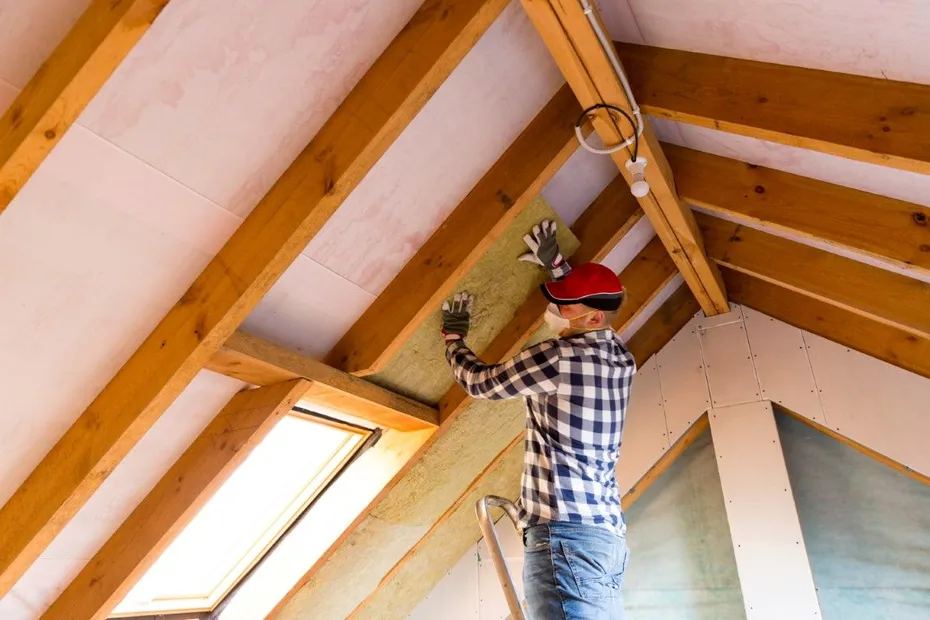
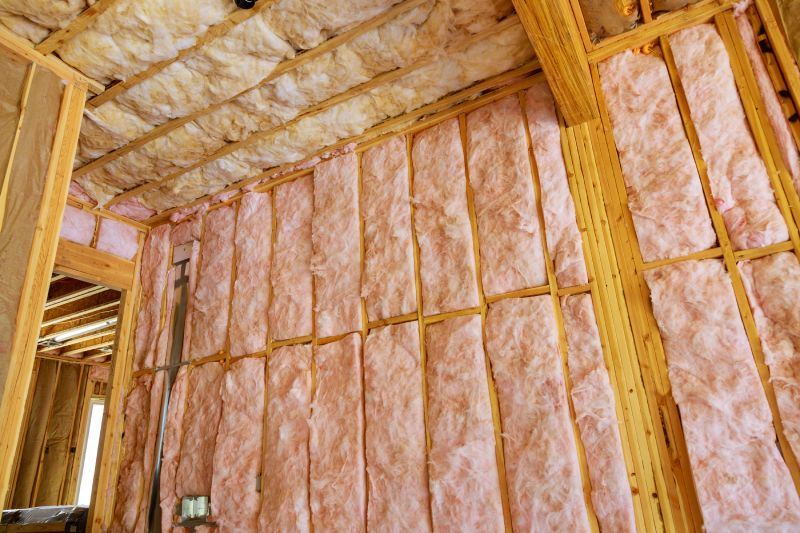
Fiberglass vs. Mineral Wool Batts
| Fiberglass Batts | Mineral Wool Batts | |
|---|---|---|
| Cost | Lower | Higher |
| Feel and fit | Lightweight, flexible | Dense, holds its shape, friction-fits snugly |
| Sound control | Good | Better |
| Fire resistance | Non-combustible glass fibers; facings may burn | Highly fire resistant |
| Common uses | Exterior walls, attics, garages | Interior walls, home offices, mechanical areas |
Is Batt Insulation Right for Your Project?
- Open walls and framing. Additions, remodels, and garages where the studs are exposed are ideal for batts.
- Standard spacing. Batts fit fastest and best in cavities with standard stud and joist spacing.
- A tighter budget. Batts usually cost less than spray foam for the same wall area.
- Sound between rooms. Mineral wool batts in interior walls are an easy way to quiet a bedroom or office.
If your walls are already closed up, look at dense-pack blown-in insulation instead. If you need an air seal along with insulation, spray foam may be the better fit.
Our Batt Insulation Process
Space Assessment
The contractor measures the cavities, checks the framing, and confirms the right material, thickness, and facing for each area.
Prep
Gaps in the framing and around penetrations are sealed so air can't bypass the insulation.
Cutting and Fitting
Batts are cut to length and split around wiring and pipes instead of being stuffed behind them, so they fill each cavity without compression.
Coverage Check
Every cavity is checked for gaps, voids, and compressed spots before drywall goes up.
Cleanup
Scraps are bagged and the work area is cleaned.
Benefits of Batt Insulation
- Affordable. Batts are one of the lowest-cost ways to insulate open framing.
- Easy to inspect. You can see exactly what's been installed before the walls close up.
- Good sound control. Especially with mineral wool in interior walls.
- Code-friendly. A familiar, well-understood material for additions and new construction.
What Affects the Cost of Batt Insulation?
- Area being insulated: total square footage of walls, ceilings, or floors
- Material: fiberglass costs less than mineral wool
- Thickness and R-value: 2x4 and 2x6 walls take different batts
- Framing complexity: odd spacing, lots of penetrations, or tight spots add cutting time
- Air sealing: sealing gaps before insulating is usually listed separately
Frequently Asked Questions
Is batt insulation still a good choice?
Yes, when it's installed well. Batts are affordable, widely available, and effective in open walls and floors with standard stud and joist spacing. The key is careful cutting and fitting, because gaps, folds, and compressed batts lose a lot of their performance.
What's the difference between fiberglass and mineral wool batts?
Fiberglass batts are the most common and most affordable. Mineral wool batts are denser, hold their shape well, resist fire better, and block more sound, so they're popular for interior walls, home offices, and areas near a furnace or water heater.
Can batts be used in an existing attic?
They can, but in most attics blown-in insulation is the better option because it fills around wiring and framing more easily and costs less per R-value. Batts make the most sense in attics with clear, standard joist spacing and good access.
Should batts be faced or unfaced?
In our dry climate, unfaced batts are common in many applications. Kraft-faced batts include a paper layer that acts as a vapor retarder and are sometimes required by code or the job conditions. Your contractor will specify the right one for each area.
Can batts help with noise?
Yes. Insulating interior walls with batts, especially mineral wool, noticeably reduces sound between rooms. It's a common add-on during remodels for bedrooms, bathrooms, and home offices.
How long does a batt insulation job take?
Most wall or garage batt jobs take a day or less. Time depends on the square footage and how much cutting and fitting the framing requires.
Have open walls or a remodel underway? Get a free estimate for batt insulation before the drywall goes up.